Country study
France: from royal administration to republican citizenship
French history turns on the relationship between central authority and local society. The monarchy built administrative reach; revolution recast sovereignty; republics repeatedly renegotiated citizenship, religion and social order.
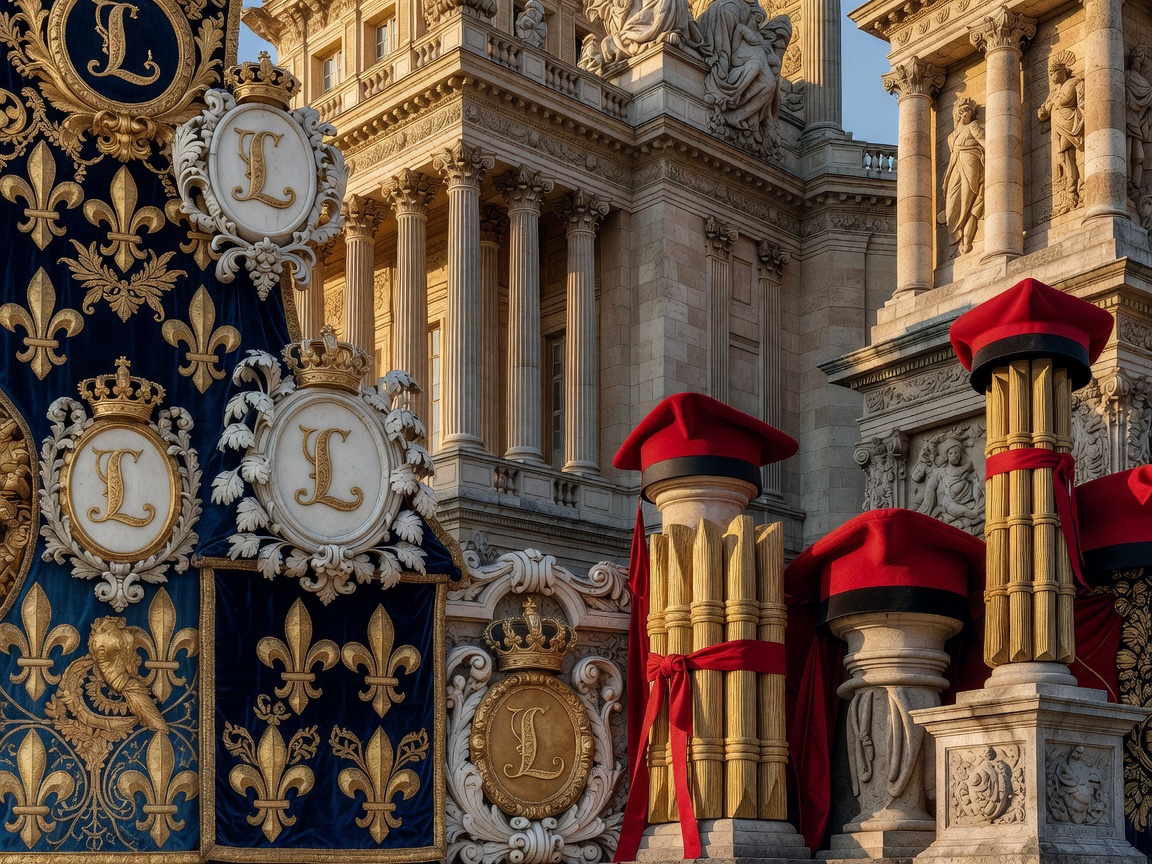
How did the French crown consolidate power?
Medieval France contained powerful nobles, semi-autonomous territories and cities with their own privileges. Capetian rulers gradually strengthened the crown through inheritance, marriage, warfare and legal claims. The royal court and administrative offices became more significant as the monarchy extended its authority beyond the immediate region around Paris.
French kings did not govern through a uniform bureaucracy from the beginning. Provincial estates, local courts and customary law continued to matter. The crown’s strength came partly from working through these institutions and partly from limiting them. This combination produced a state that was centralising but never socially simple.
Why did religion become a political question?
The Reformation challenged religious unity and contributed to civil wars between Catholics and Huguenots. The Edict of Nantes offered a framework for limited toleration before its revocation restored a more restrictive policy. Religious conflict shaped ideas of obedience, conscience and the reach of government.
Gallican traditions also placed the French church in a distinctive relationship with Rome. Later revolutionary and republican governments treated religion as a question of public authority. The separation of church and state was not a single event with one meaning; it developed through conflict over education, property, ritual and citizenship.
What made the French Revolution transformative?
The Revolution challenged privilege, corporate representation and hereditary sovereignty. The Declaration of the Rights of Man and of the Citizen expressed universal language, while political practice remained contested and exclusionary. Constitutional monarchy gave way to a republic, emergency government and violence, followed by authoritarian rule under Napoleon Bonaparte.
Napoleonic institutions had a durable impact. The Civil Code standardised important areas of law, prefects strengthened central administration and military mobilisation tied state power to mass politics. Imperial conquest spread reforms in some places while imposing French rule and provoking resistance in others.
Why did France change regimes so often?
The nineteenth century moved through restoration, monarchy, republic and empire. The issue was not simply which individual occupied the throne or presidency. It concerned who counted as a citizen, how property and voting were organised, whether the church or the state controlled education, and how industrial society should be governed.
Republican institutions became more durable after the upheavals of the Paris Commune and the establishment of the Third Republic. Education, military service and civic ritual helped create a common national culture, though regional languages and identities persisted. Centralisation could produce administrative equality while also weakening local autonomy.
How should modern French history be read?
Empire, colonialism, industrialisation, occupation and resistance all shaped modern France. Decolonisation changed the republic’s population and its understanding of citizenship. The welfare state and European integration added new layers to the older centralised model. France therefore combines a powerful national administration with persistent arguments about class, region, religion, migration and the limits of state authority.